
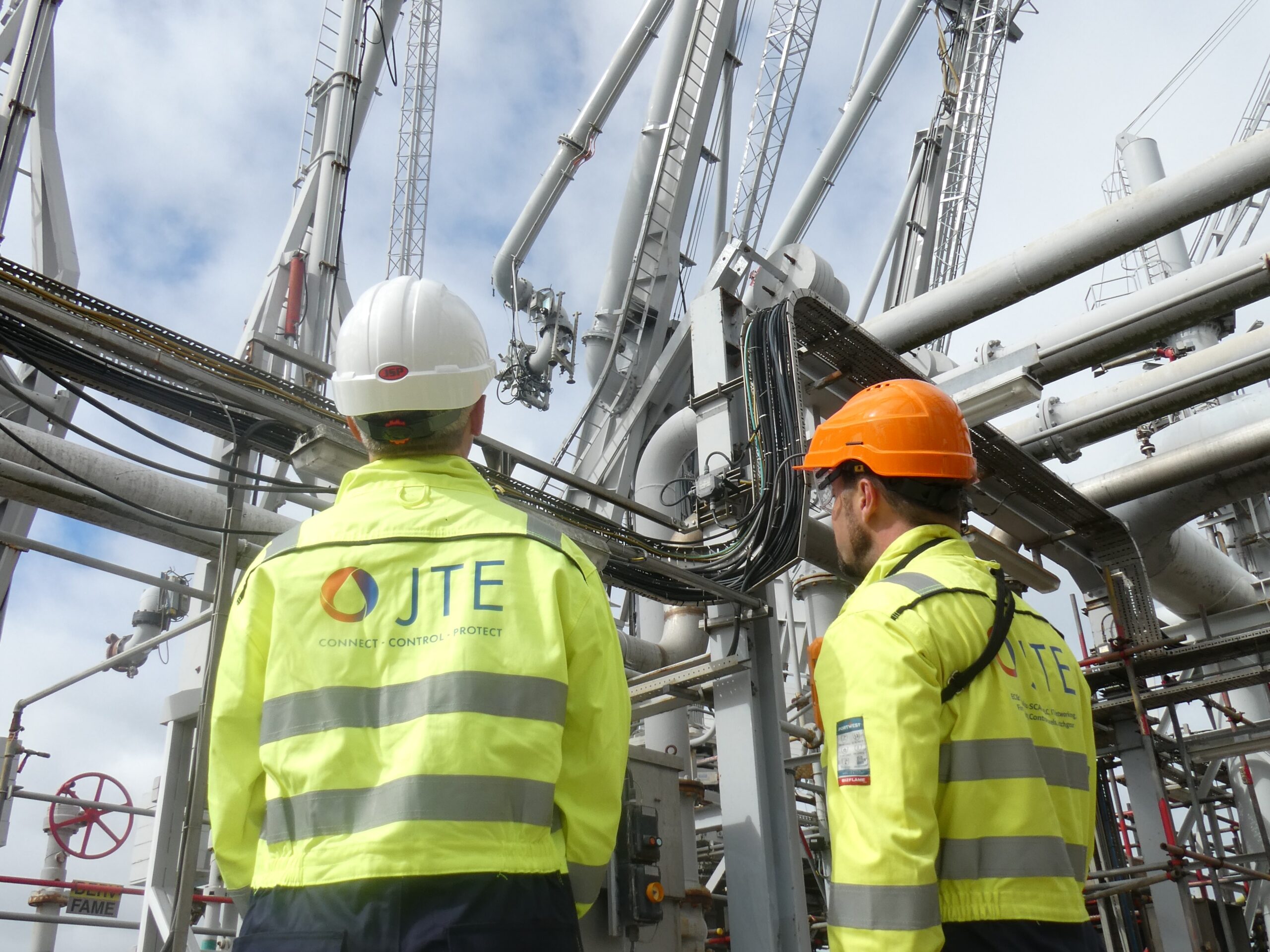
Choosing the Right Engineering Partner for Downstream Oil Projects
In the downstream oil sector, margins are typically far slimmer than in upstream operations. While offshore or large-scale exploration projects can often support the substantial costs of major engineering programmes, downstream operations must work within tighter commercial limits. Every pound spent has to be justified by a clear return, and there is far less room for overruns or inefficiency.
The sector is also evolving. With the push towards more sustainable fuels and diversified product mixes, terminals are being reconfigured to handle new storage, blending, and loading requirements. These changes often require significant capital investment, yet the return on that investment is only viable if projects are delivered in a cost-conscious, proportionate way.
In the UK, another trend has been the closure of refineries and their conversion into terminal hubs. While this makes strategic sense for supply and distribution, it often leaves the new terminal operations with control systems and processes designed for refinery-scale complexity. These systems can become a significant overhead — expensive to maintain and unnecessarily complex for the operational needs of a terminal. Reconfiguring these systems so they are fit for purpose is an area where specialist engineering design houses can deliver substantial value, aligning operational capability with the real needs of the facility.
The choice of delivery partner is critical. Large EPCs have the resources, global reach, and structured processes to manage highly complex, multi-billion-pound developments. They are often the right choice for projects of that scale. However, for smaller downstream projects — such as targeted infrastructure upgrades, control system modernisations, or equipment replacements — the same organisational structures that make EPCs effective on mega-projects can introduce costs disproportionate to the scope.
Smaller, specialist engineering design houses offer a different model. With leaner teams, less overhead, and a more agile decision-making process, they can deliver the same technical compliance and safety standards while keeping engineering costs aligned with the project’s value. Many also bring deep niche knowledge of specific sectors, equipment, and regulatory environments. This expertise can make them not only efficient project partners but also an excellent mechanism for knowledge transfer — helping clients’ in-house teams gain valuable insights and skills that last well beyond the life of the project.
Both large EPCs and smaller firms have important roles in the industry. The challenge — and the opportunity — lies in matching the right partner to the size, complexity, and commercial realities of the work. In downstream, where margins are tighter and investment decisions are closely scrutinised, this alignment can make the difference between a project that delivers strong returns and one that struggles to justify its spend.

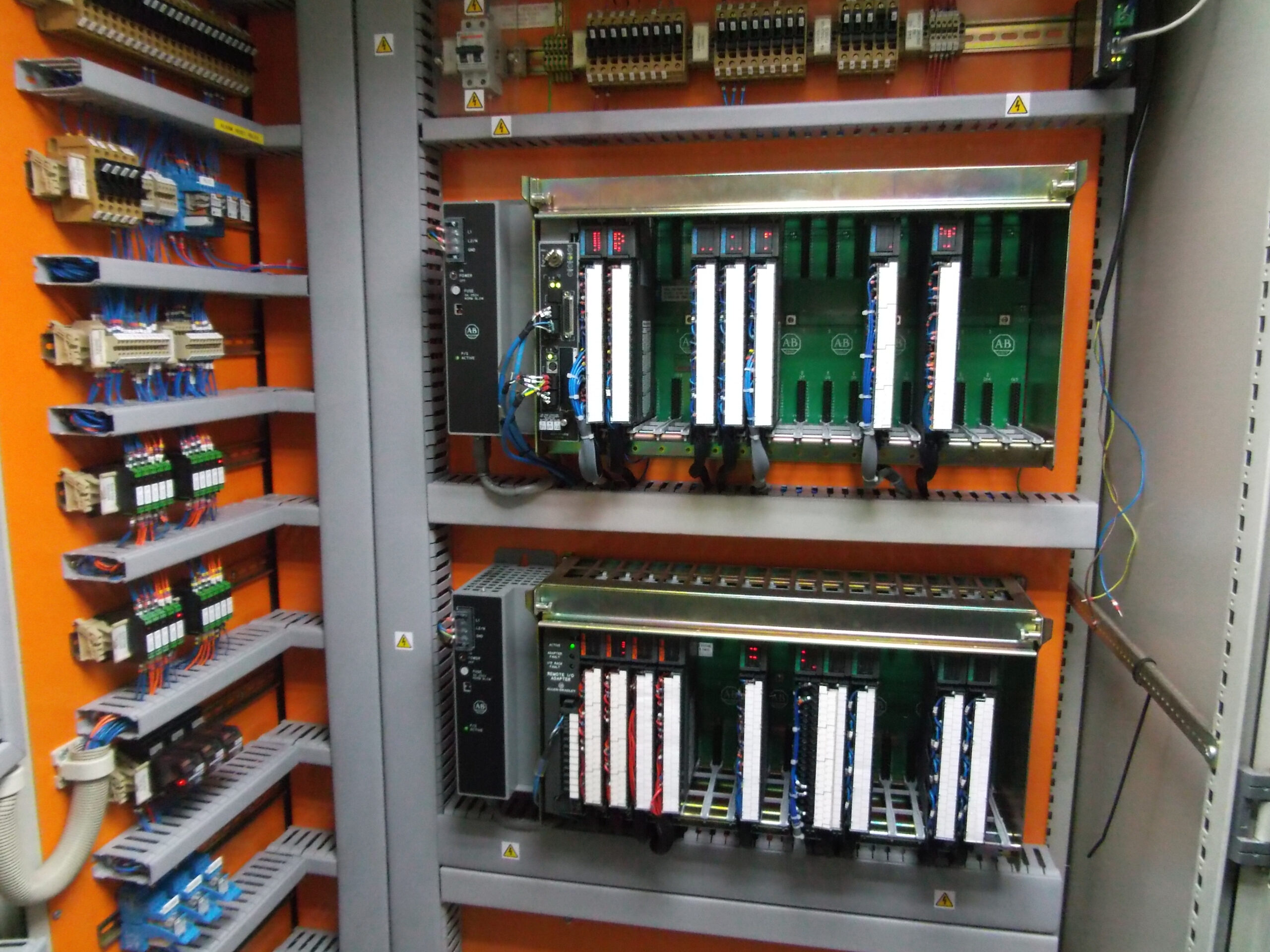
The Real Measure of Control System Support
In the world of control systems and automation, there’s a common assumption that larger organisations — with big engineering headcounts — are better placed to provide ongoing system support. The thinking goes: more engineers equals more coverage, faster response, and greater resilience.
While scale can bring resources, the reality of supporting complex control systems is that knowledge depth matters far more than sheer numbers. In most cases, only the engineers directly involved in designing, configuring, and commissioning a system have the intimate understanding needed to resolve issues efficiently.
Control systems are not off-the-shelf products. Even when built on standard PLC, SCADA, or DCS platforms, each system’s application code, interface design, and integration points are highly specific to the plant and process it serves. This means that effective support depends on familiarity with that exact configuration — and in larger organisations, the pool of engineers who truly know your system may be far smaller than the total headcount suggests.
Smaller, specialist system integrators often have a built-in advantage here. The same people who engineered your system are typically the ones supporting it, and internal knowledge sharing ensures more than one person is familiar with each project. Communication lines are shorter, decision-making is faster, and support is more personal.
When assessing support capability, one metric often overlooked is system uptime vs downtime. While a larger company may sometimes be able to respond more quickly to a call, what matters to operations is how long the system is actually down. If the engineer on site or on the call isn’t deeply familiar with the system, diagnosis and resolution can take longer, even if they were available within the hour. By contrast, a smaller team that knows your system inside-out may take slightly longer to mobilise in some cases — but when they do, the problem is resolved faster and with less trial-and-error. Over the course of a year, that can mean significantly more uptime.
Ultimately, the question for asset owners is this: does your integrator measure their success in terms of response time, or in terms of keeping your system operational? Whether your provider is a team of ten or a hundred, the best support comes from those who know your system, your site, and your process intimately — and who can keep it running with minimal disruption.